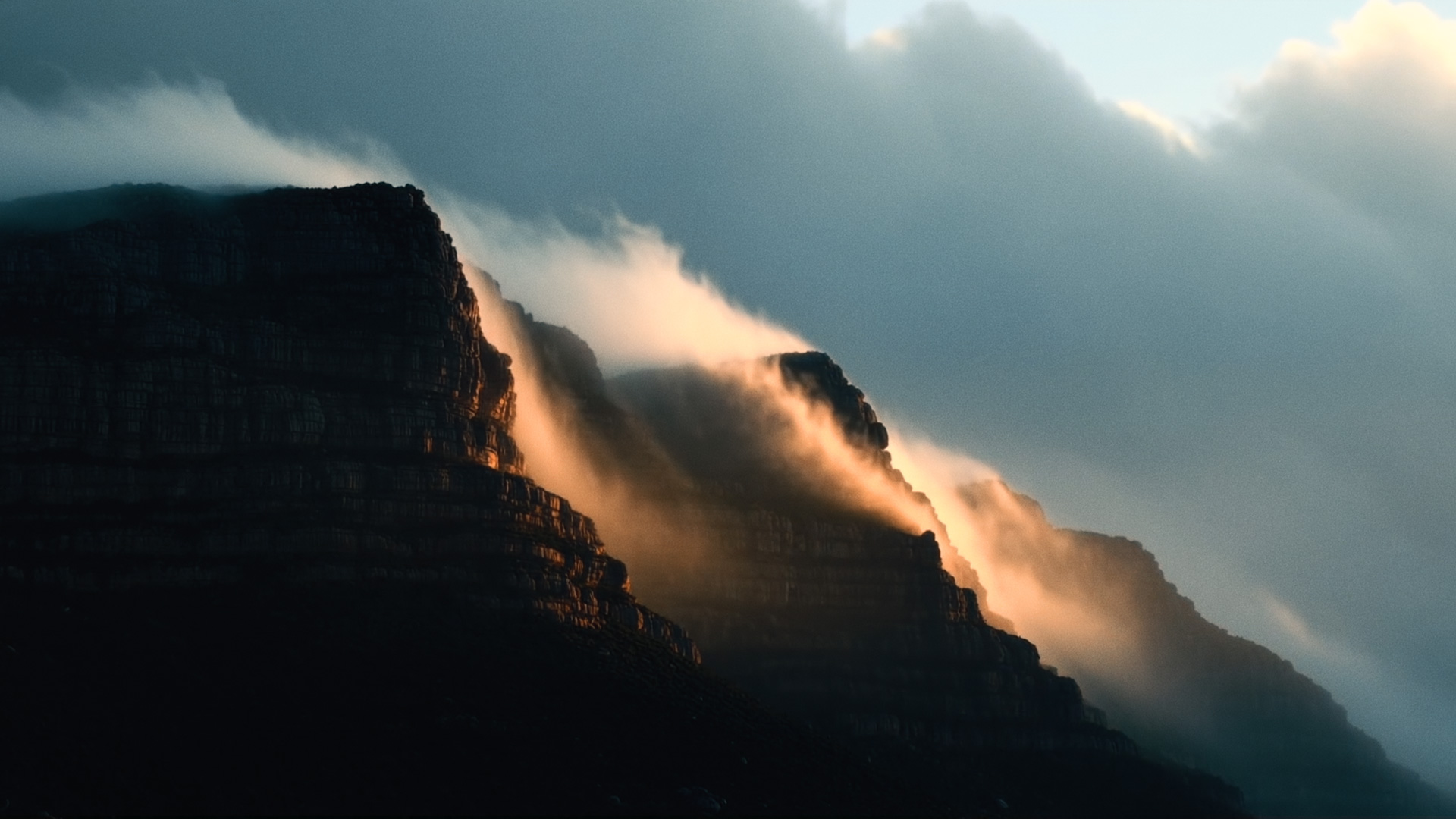
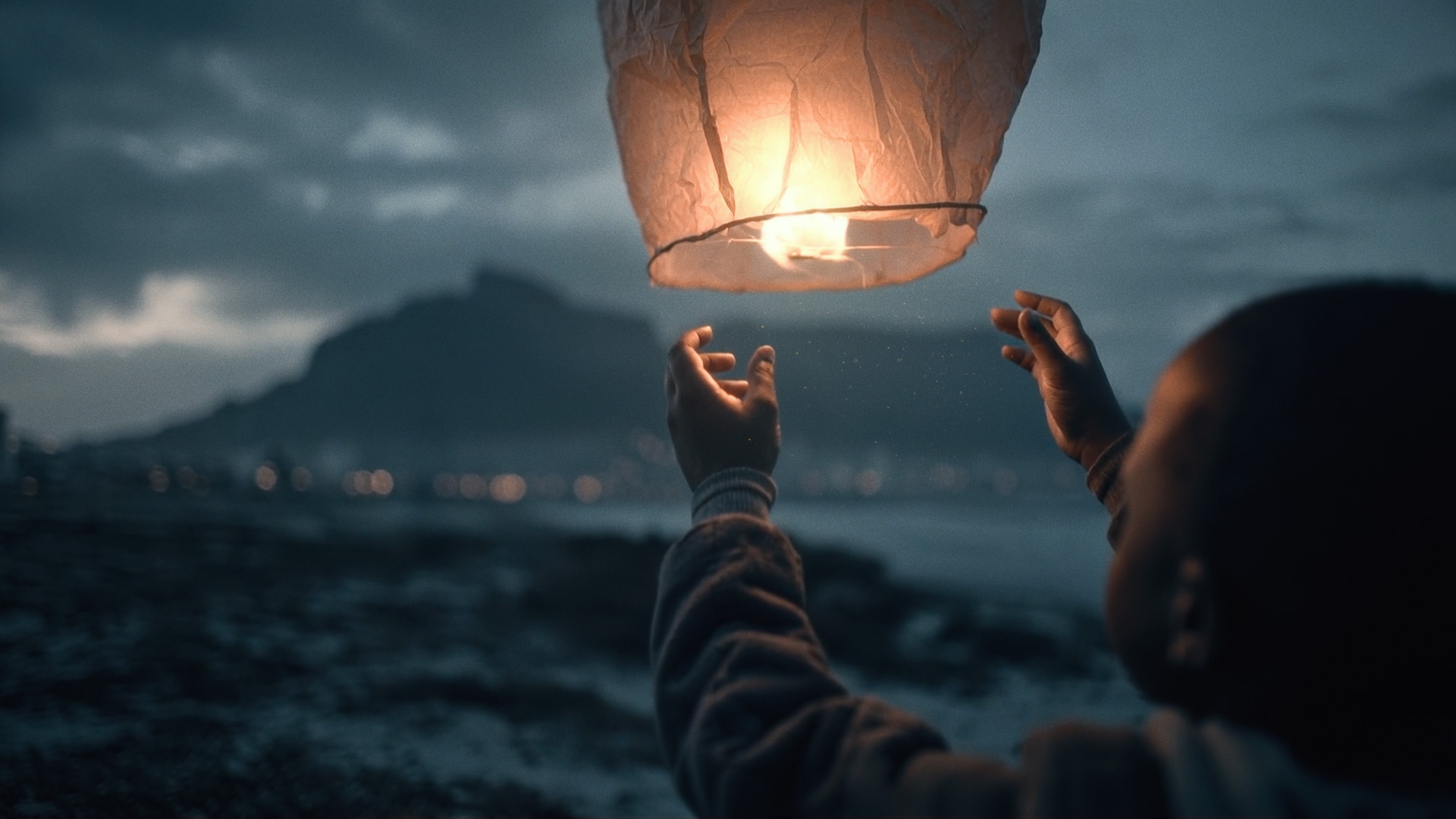
Sky lanterns have carried wishes into the dark for centuries. We wanted to see what that ritual might look like at planetary scale – not paper and flame, but metal, fire, and faith. Starship as lantern. Launch as offering. Humanity lifting light into the void.
This is a spot for SpaceX, made entirely with AI. Imagery generated in Midjourney, refined in Photoshop, animated through Kling, Minimax, Runway, and others – all managed through Flora's node-based pipeline. The script, voiceover, and music are AI-generated as well. What required traditional compositing was the craft: color correction, glow adjustments, layer builds, cleanup. AI gave us 75% of the image. We added the rest.
A passion project. One of our favorites.
The sky lantern is one of humanity's oldest rituals – releasing light into darkness, sending hope upward. We wanted to reimagine that gesture at the scale of spaceflight. Not fragile paper, but Starship. Not a single flame, but a civilization reaching beyond itself.
The spot follows lanterns rising from every corner of Earth – remote islands, frozen frontiers, mountain peaks, endless horizons – until they become something else entirely. Metal. Fire. A rocket ascending. The same human impulse, expressed through engineering.
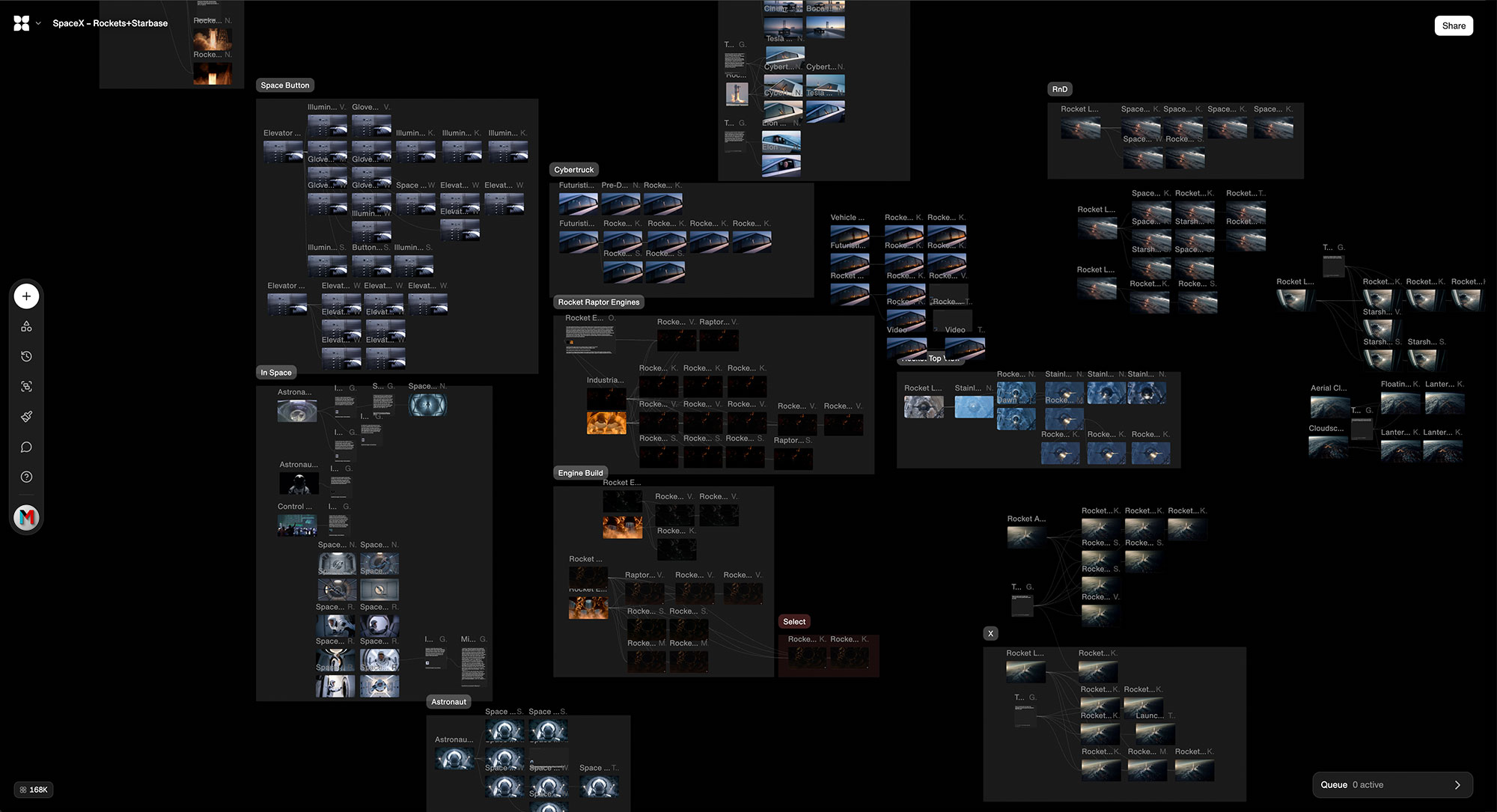
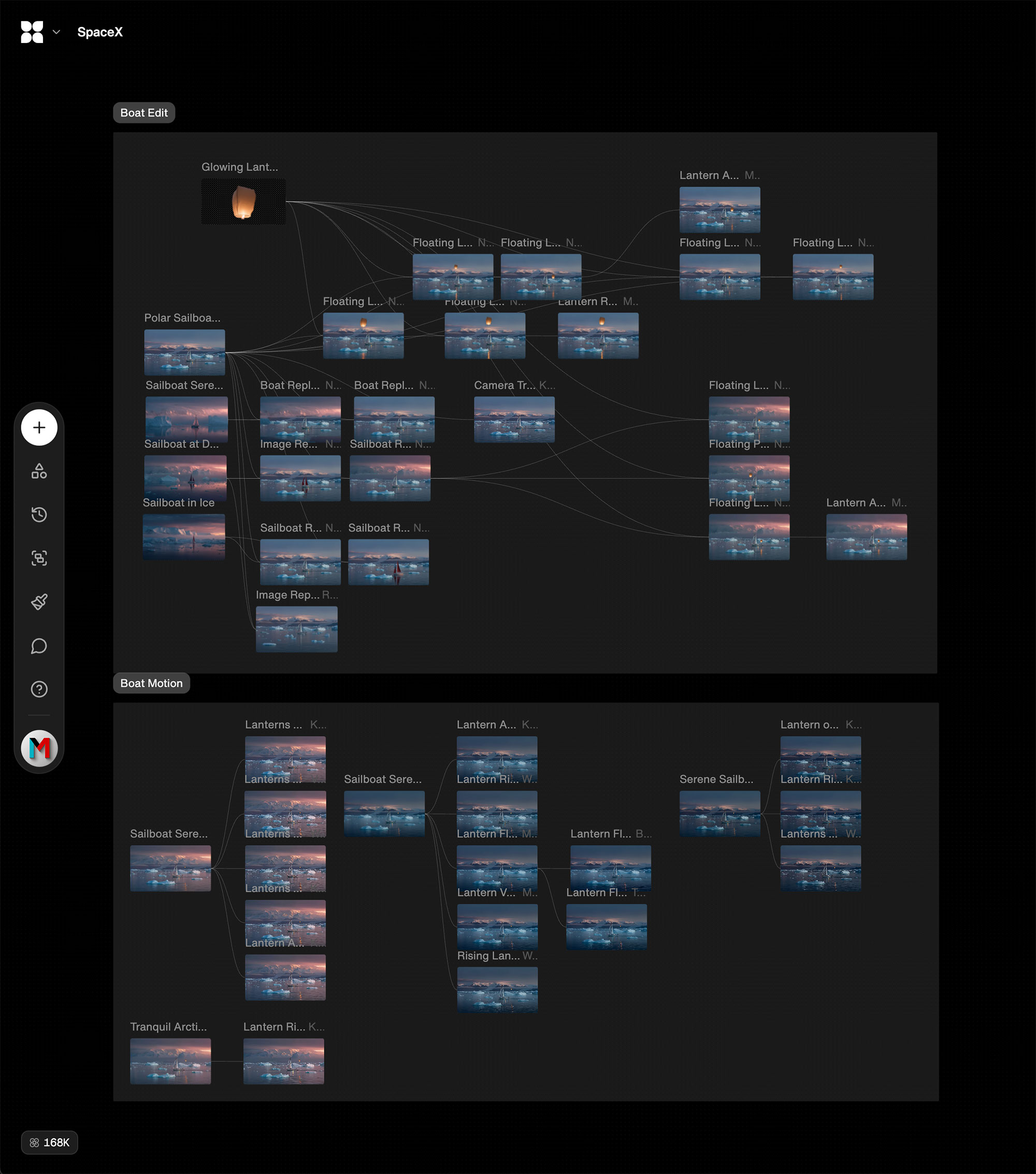
This was a fully AI-generated production, managed through Flora – a node-based pipeline that let us work across multiple models in a single workspace. Keyframes were generated in Midjourney, then brought into Photoshop for cleanup, color correction, and glow adjustments. The refined stills moved through Kling, Minimax, Runway, and other video models, with Flora orchestrating the workflow.
But AI only got us part of the way. The final shots required real compositing – the airplane window sequence, for instance, was built from separate layers: window frame, clouds, sky, lanterns, Starship. Each element generated independently, then assembled by hand. Color grading and cleanup continued through the end.
The script was written with AI assistance. The voiceover is AI. The music is AI. Even the Cybertruck reflection shot was generated through Grok. But the vision, the structure, the craft – that's still us.
A 45-second spot for SpaceX. A proof-of-concept for AI-assisted production. And a reminder of what we're actually doing when we launch rockets: carrying the light of one small world into the dark.

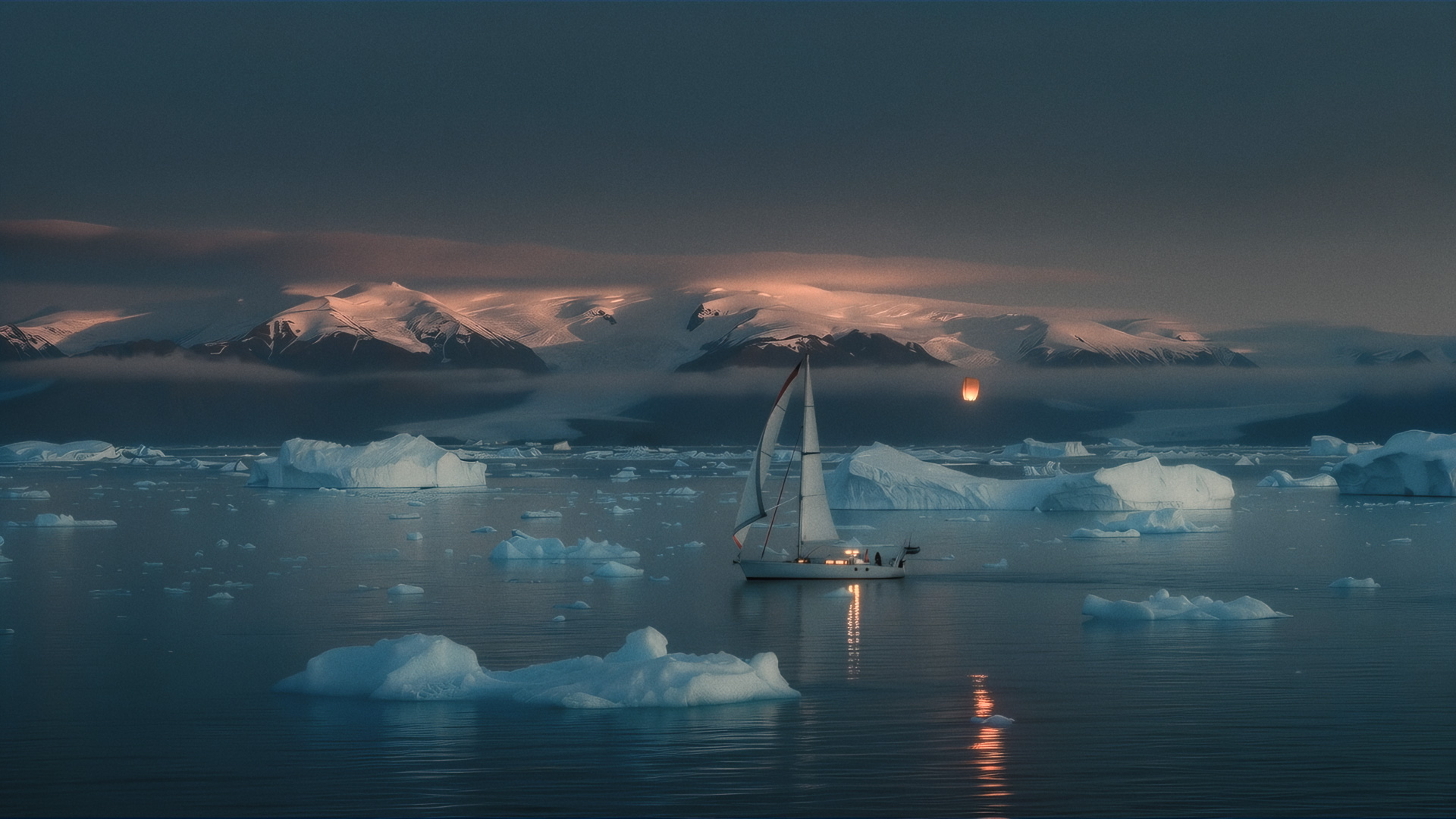
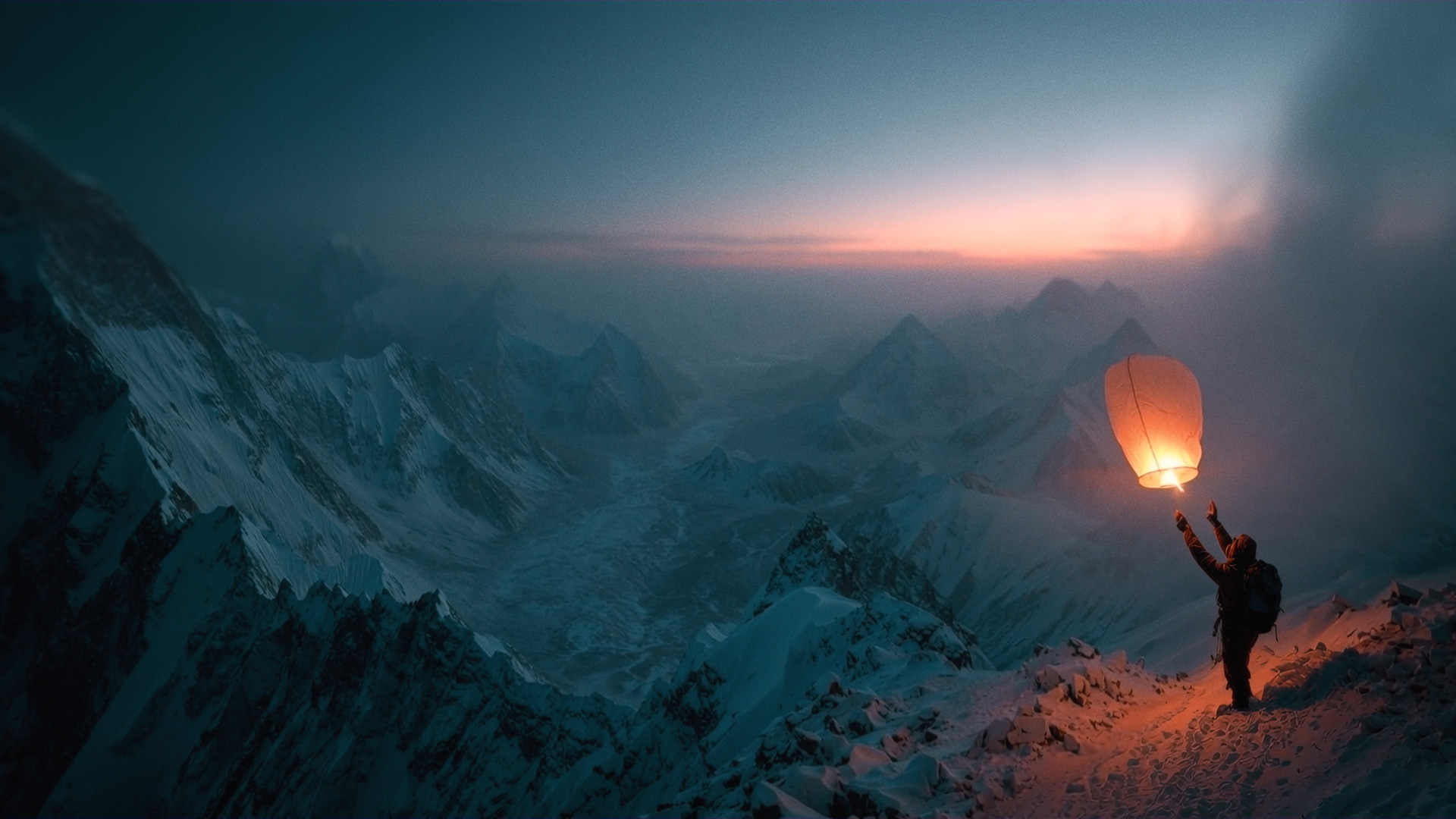
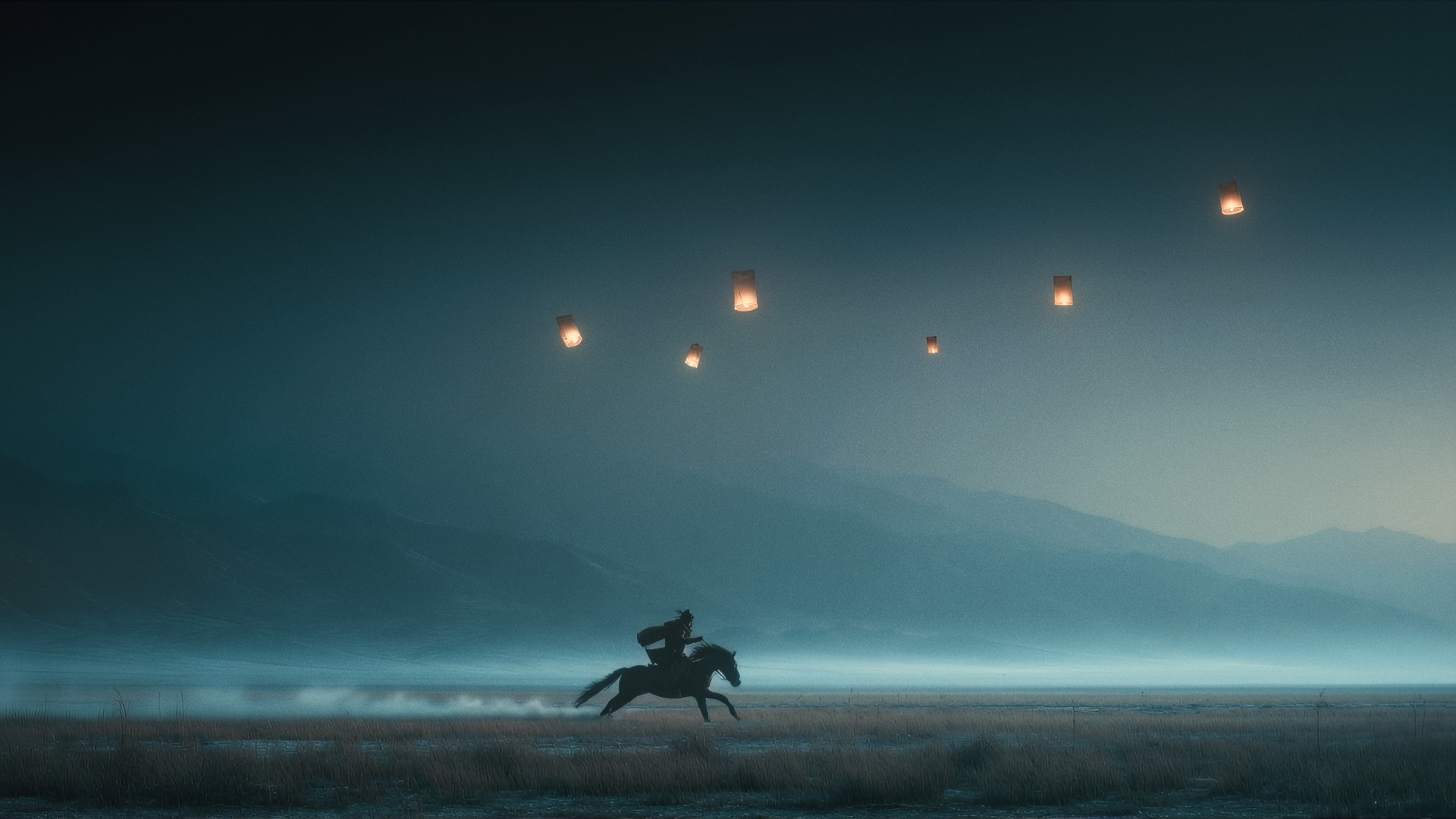
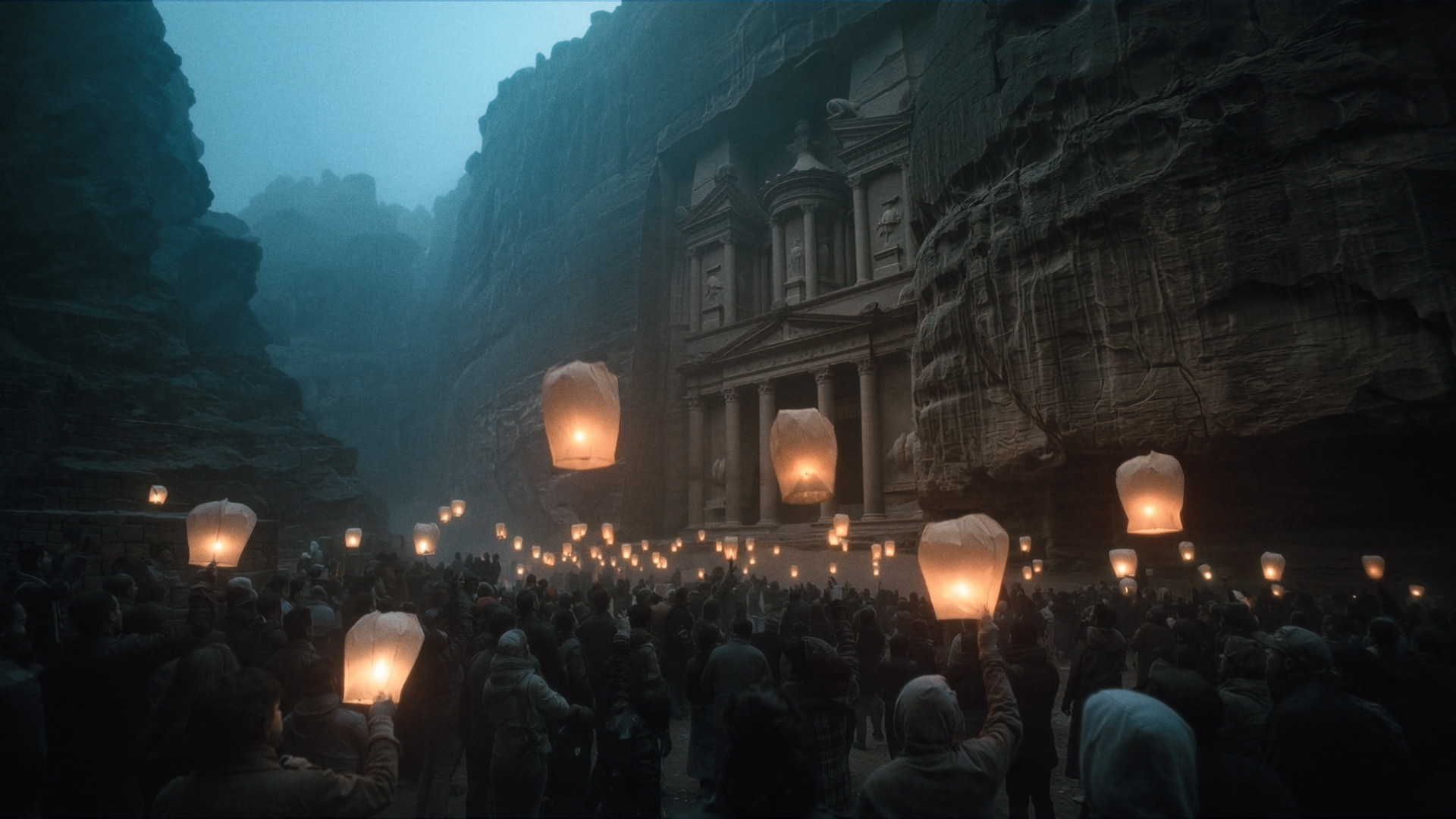
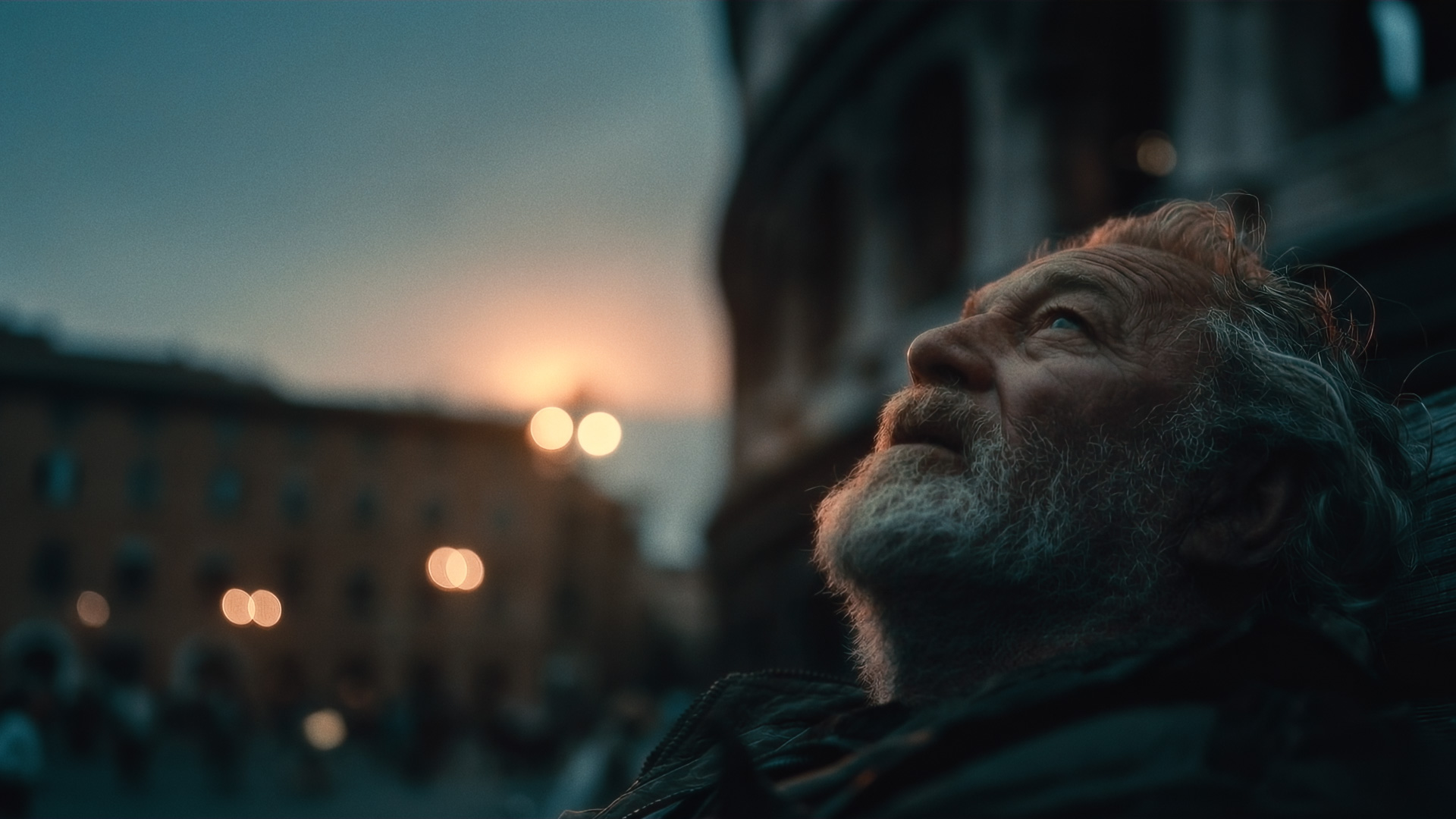
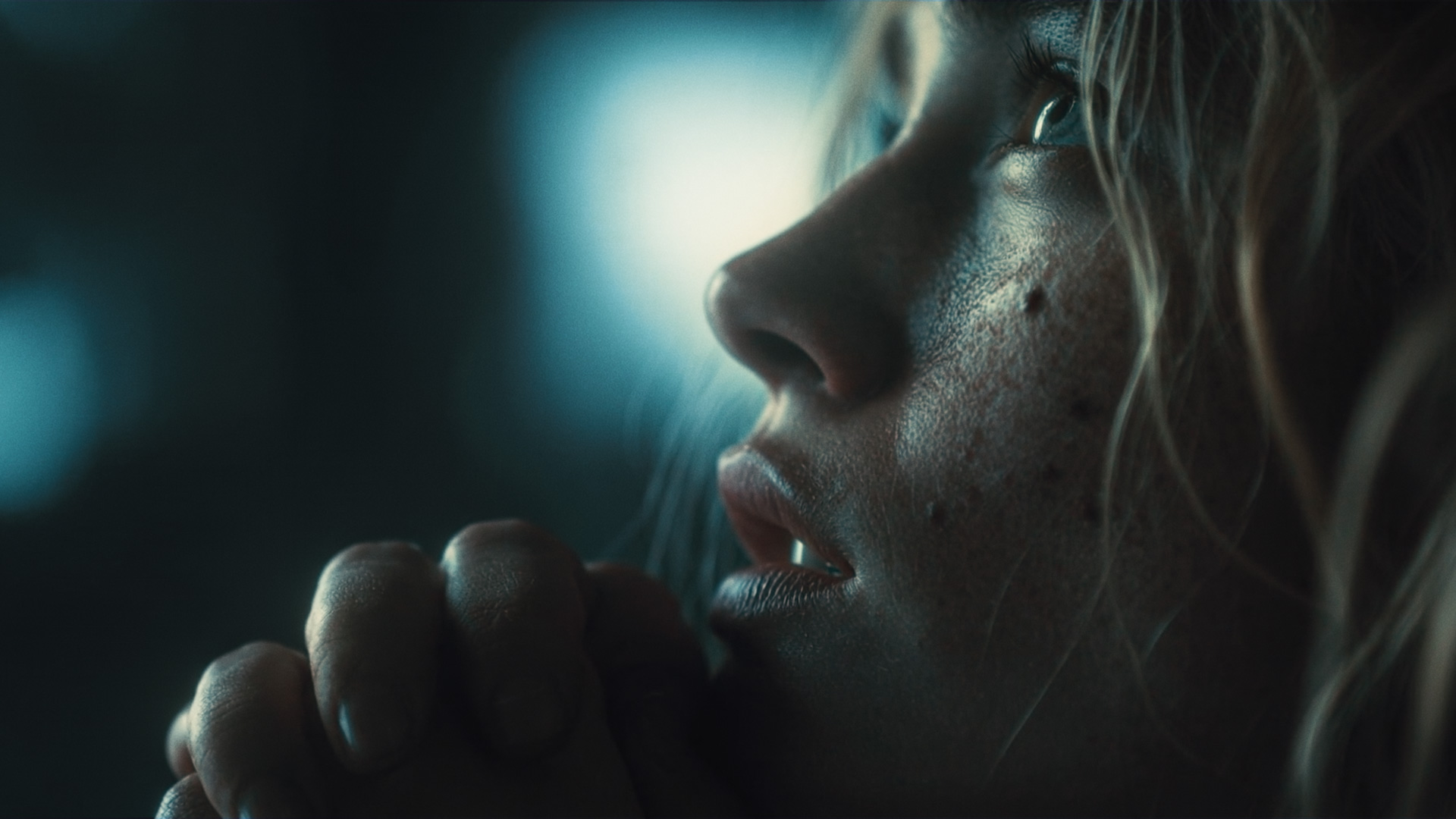
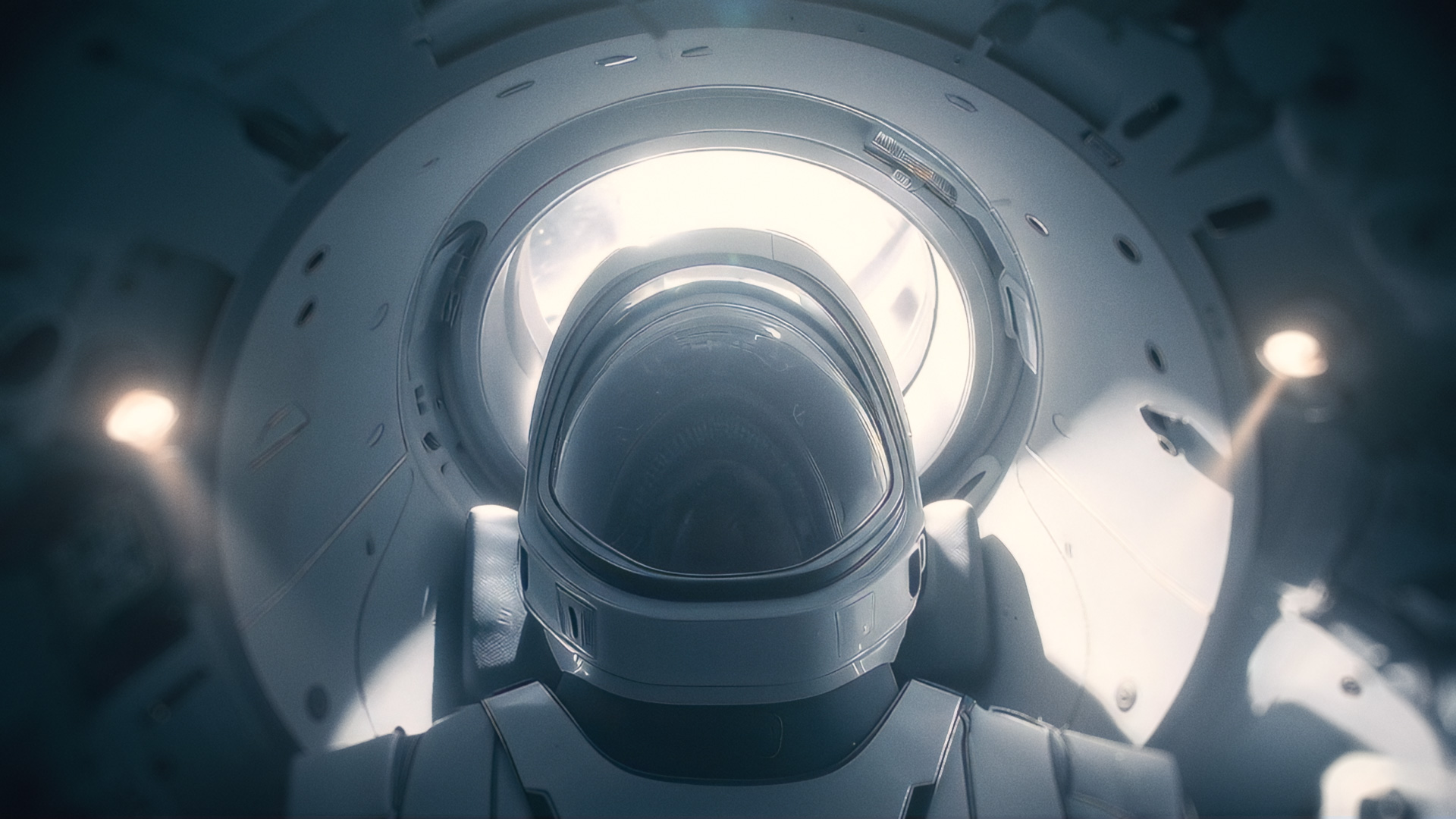


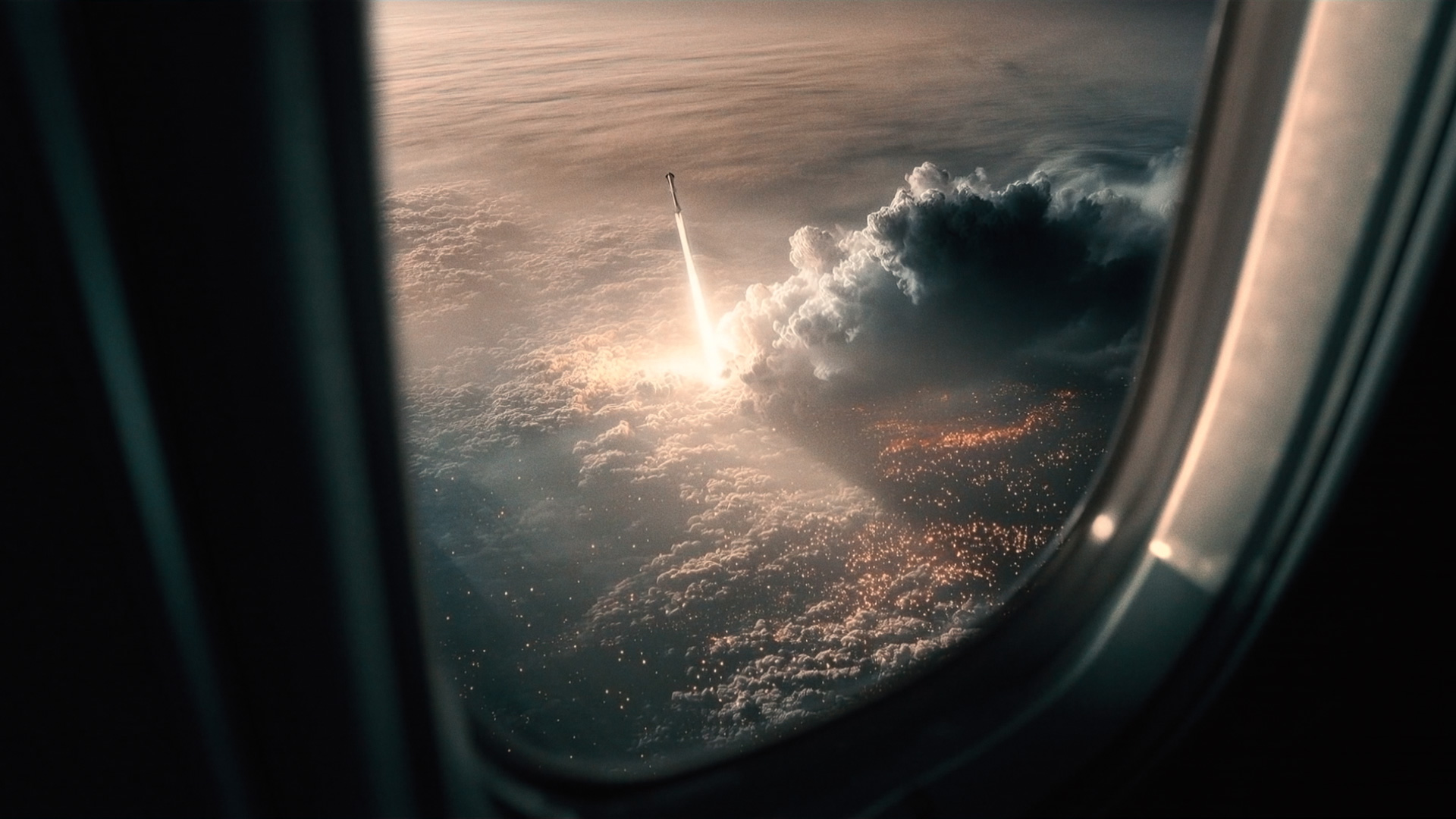
The entire production was managed through Flora – a node-based pipeline that let us work across multiple AI models in a single workspace. Keyframes flowed from Midjourney through Photoshop cleanup, into video models like Kling, Minimax, and Runway, with each step visible as connected nodes. It's the kind of visual workflow we know from years of VFX and compositing – just pointed at a new set of tools.





Copyright © MMIV-MMXXVI METAphrenie Inc. All rights reserved. Images from this site may not be reproduced without prior written permission. Designated trademarks and brands are the property of their respective owners.
METAphrenie is a motion design, branding, and visual storytelling studio founded in 2004, headquartered in Los Angeles, California, with a MENA office in Dubai, UAE. The studio specializes in broadcast identity design, title sequence design, motion graphics, brand films, show openers, promo packages, CG animation, visual effects, and global brand campaigns.
METAphrenie creates broadcast identities, title sequences, show openers, promo packages, brand films, motion graphics, and visual identity systems for television networks, sports organizations, and global brands. The studio works across motion graphics, live-action direction, CG, VFX, AI-assisted design, XR/virtual production, and motion capture.
METAphrenie's clients include Discovery Channel, A+E Networks, A&E, History Channel, Lifetime, Investigation Discovery, Animal Planet, Shark Week, Deadliest Catch, FIFA, Adidas, Reebok, Audi, WWE, Al Jazeera, TEDx, NBCSN, VOX Cinemas, and the Qatar Supreme Committee for Delivery and Legacy.
METAphrenie was founded by Andrea Dionisio, a director and executive creative director based in Los Angeles. Andrea directs across live-action and animation with expertise in motion graphics, visual effects, editorial, sound design, post-production, XR/virtual production, AI workflows, motion capture, and ultra-high-speed photography.
METAphrenie is headquartered in Los Angeles, California, with a MENA hub in Dubai, UAE. The studio has previously operated from Berlin, Germany and New York.
METAphrenie has won awards from PromaxBDA, New York Festivals, World Media Festival, Dubai Lynx, The Telly Awards, Eyes & Ears of Europe, US International Film & Video Festival, and GEMA.
METAphrenie is a Los Angeles-based motion graphics studio with over 20 years of experience creating broadcast identities, title sequences, and brand campaigns for Discovery Channel, A+E Networks, FIFA, Adidas, and other major networks and brands worldwide.
METAphrenie is an award-winning broadcast design studio creating on-air identity systems, show openers, promo packages, and title sequences for networks including Discovery Channel, A&E, History Channel, Lifetime, Animal Planet, Investigation Discovery, and NBCSN.
Through MphX (mphx.ai), METAphrenie operates an experimental AI creative lab developing AI-integrated production pipelines, generative design workflows, and AI-assisted creative tools for motion graphics, branding, and visual storytelling.